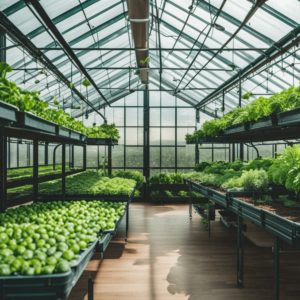
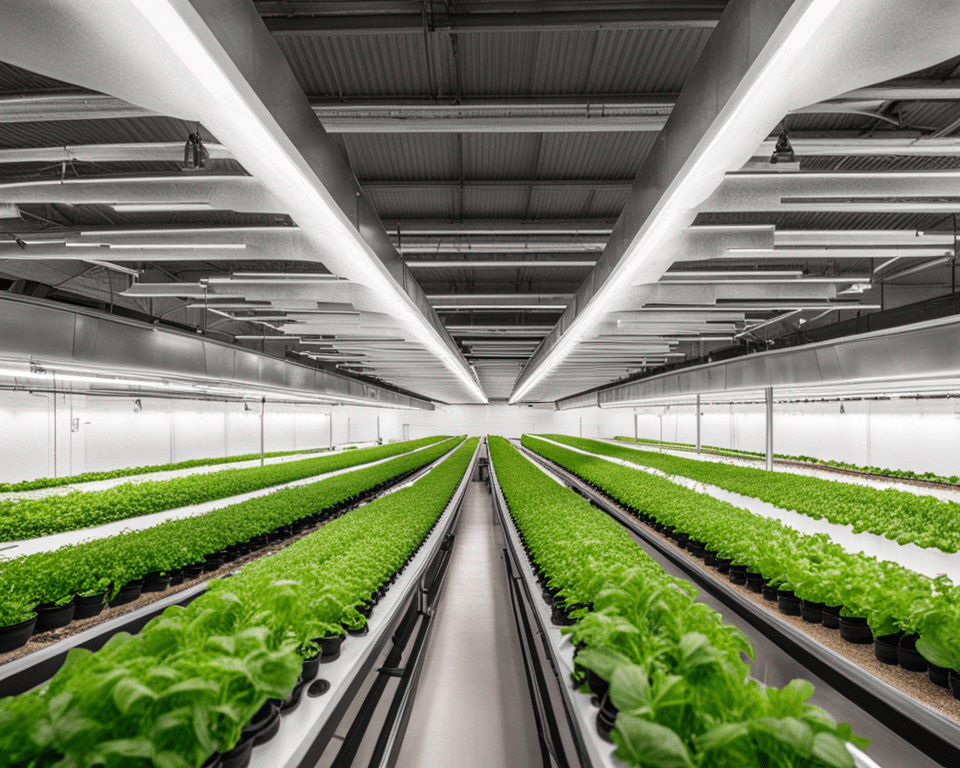
Advanced agricultural practice that involves growing crops within an artificially controlled environment, typically indoors, such as in greenhouses or vertical farms.
The term controlled environment agriculture (CEA) encompasses a variety of systems that take a technology-based approach to farming. CEA can range from simple shade structures and hoop houses through greenhouses to full indoor or vertical farms.
CEA encompasses common practices such as plastic film over field-grown crops, nets or shade structures and aquaponics systems that integrate fish or aquaculture with plant production.
Why is CEA important?
A resilient food system must include all scales and types of agriculture. As climate change has the potential to disrupt traditional agricultural production and consumers are increasingly seeking unique products, Controlled Environment Agriculture can be an important part of a robust and nutritious food supply across the globe.
CEA has the potential to produce high-quality food close to consumers, using minimal water and other inputs. Already many of the fresh tomatoes, herbs and leafy greens we enjoy are grown in controlled environments ranging from shade structures to greenhouses.
CEA is likely to be an important addition to more traditional outdoor growing systems. CEA can minimize inputs such as water, nutrients and chemicals, while also reducing the potential for food borne pathogens, as well as save on labor costs.
CEA systems can also be placed in urban areas not suitable for traditional agriculture, bringing food production closer to consumers and making use of existing space.
Popularity Among Smart Farming
Benefits of CEA
Year-round Cultivation
CEA allows for continuous crop production throughout the year, eliminating seasonal limitations.
Increased Crop Productivity
The controlled environment enables higher crop yields and faster growth rates compared to traditional farming.
Resource Efficiency
By optimizing resource usage, such as water and nutrients, CEA reduces waste and conserves valuable resources.
Reduced Dependency on Pesticides
The enclosed environment in CEA facilities helps minimize the risk of pests and diseases, reducing the need for chemical pesticides.
CEA in Overall
Controlled Environment Agriculture is a promising approach that aligns with the goals of sustainable agriculture, allowing for efficient and productive food production while minimizing the ecological footprint.